
The Western Red Cedar (Thuja plicata) is one of the most revered trees in British Columbia. Found throughout the coastal forests, this tree has been valued for centuries for its durability, beauty, and cultural significance.
The Western Red Cedar is often called the “Tree of Life” because of its essential role in Indigenous traditions. Its wood is naturally resistant to decay, its leaves give off a calming fragrance, and its bark has been used for everything from medicine to clothing. Whether standing in the wild or carved into a totem pole, this tree represents strength and spirit.
Identifying Western Red Cedar
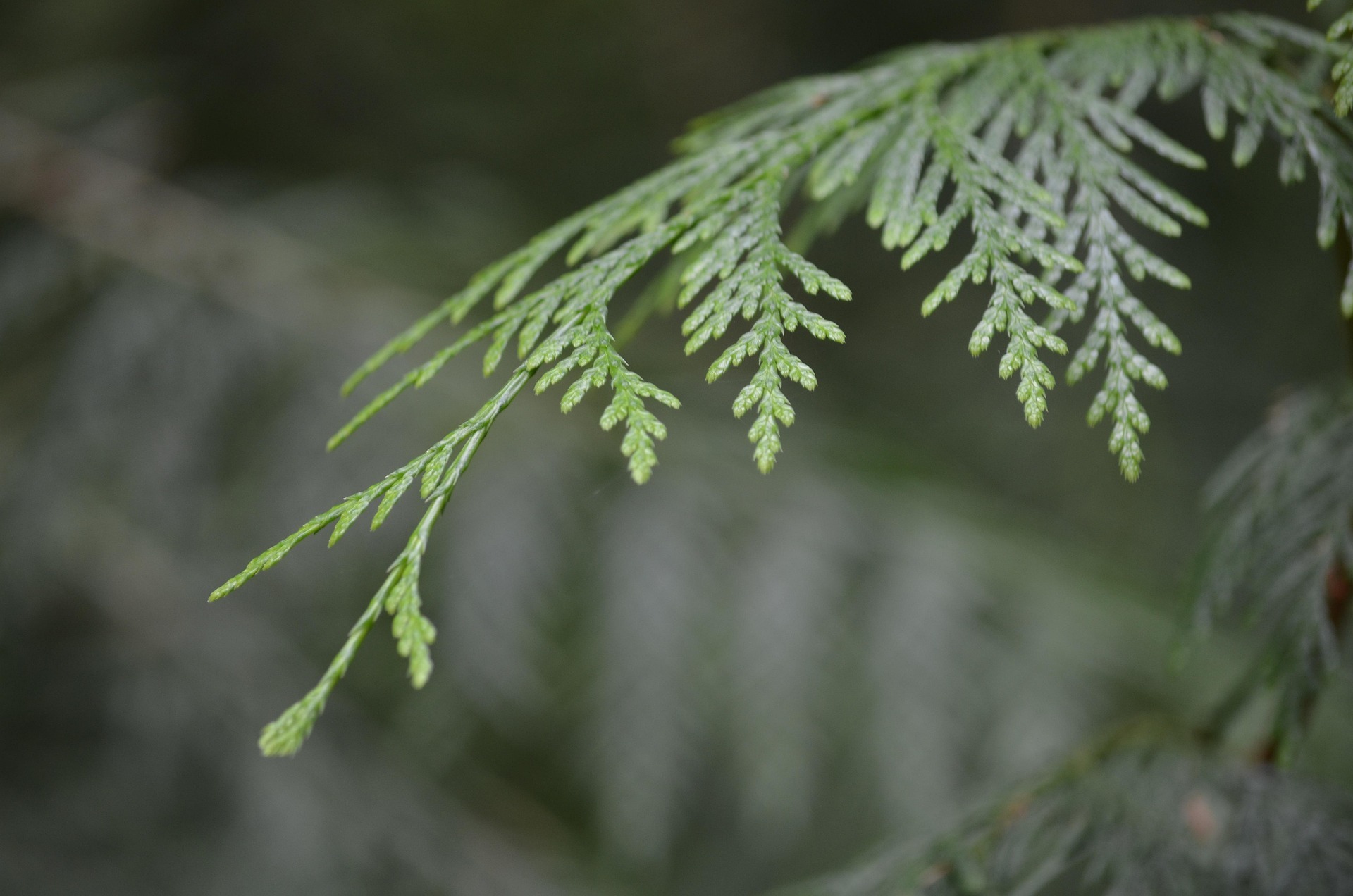
One of the most unique features of the Western Red Cedar is its soft, scale-like leaves, which grow in flattened sprays rather than sharp needles. Its bark is stringy and reddish-brown, peeling away in long strips that were traditionally woven into mats and ropes by Indigenous peoples.
The tree’s rot-resistant wood is another defining trait. This durability makes Western Red Cedar a popular choice for building homes, furniture, and boats, as it can withstand harsh weather without deteriorating.
A Sacred Tree for Indigenous Peoples
For the Indigenous peoples of British Columbia, Western Red Cedar has long been a sacred and essential resource. Its wood was used for carving canoes, totem poles, and longhouses, while its bark was woven into textiles.
Even today, Western Red Cedar remains a vital part of ceremonies and traditions, with its fragrance and natural oils used for purification and healing.
Ecological Role
Western Red Cedar supports diverse ecosystems by providing habitat for countless birds, insects, and mammals. Even after it falls, its logs serve as nurse logs, allowing new plant life to grow on their surface. This cycle of growth and decay makes the tree an essential part of BC’s natural world.
Fun Facts About Western Red Cedar
- Its wood is naturally resistant to rot and pests, making it ideal for outdoor structures.
- The tree’s bark has been used in natural medicine for centuries.
- It can grow over 70 meters (230 feet) tall and live more than 1,500 years.
- The Western Red Cedar is British Columbia’s official provincial tree.
Conclusion
From its sacred role in Indigenous culture to its importance in modern construction and its ecological benefits, the Western Red Cedar is truly one of BC’s greatest trees. Its strength, spirit, and longevity make it an unforgettable part of the province’s forests.