

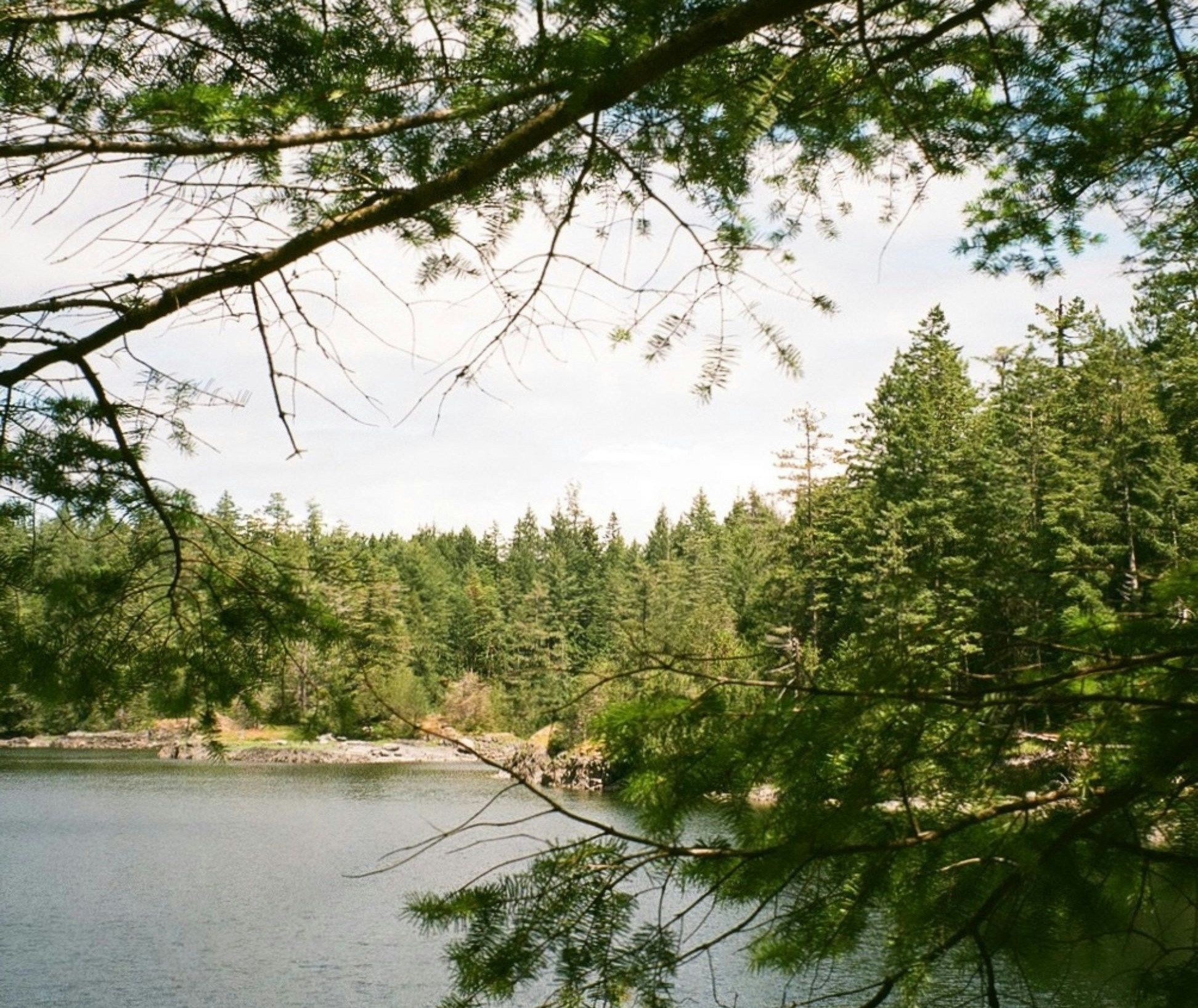
Towering over British Columbia’s rainforests, the Western Hemlock (Tsuga heterophylla) is a tree of elegance, strength, and ecological importance. With its characteristic drooping leader (the very top of the tree), this conifer is easy to recognize and plays a vital role in both coastal and interior forests.
Western Hemlock is one of the most shade-tolerant trees in BC, thriving in the understory beneath older trees before eventually growing into the canopy. Its ability to regenerate in deep shade makes it one of the most dominant tree species in the Pacific Northwest.
How to Identify Western Hemlock
- Needles: Soft, short, and irregularly sized, with a deep green color.
- Bark: Reddish-brown with deep grooves, often covered in moss.
- Growth Habit: The top of the tree droops over, a signature characteristic of Western Hemlock.
This fast-growing tree can live for more than 800 years and reach heights of 60-70 meters (200-230 feet).
Western Hemlock in BC’s Timber Industry
Western Hemlock is one of British Columbia’s most important commercial trees, widely used for:
- Lumber and plywood, as it is strong, lightweight, and versatile.
- Pulp production, making it a valuable resource for paper and cardboard.
- Construction, particularly for framing, flooring, and paneling.
A Tree That Nurtures Life
Western Hemlock is a key player in BC’s forests, providing:
- Habitat for birds and mammals like squirrels, owls, and deer.
- Shade and moisture retention, which supports ferns, mosses, and fungi.
- Nurse logs, as its fallen trunks serve as a foundation for new seedlings.
Because of its moisture-holding properties, Western Hemlock helps keep the forest floor humid and cool, creating ideal conditions for biodiversity.
Fun Facts About Western Hemlock
- The oldest known Western Hemlocks are over 1,200 years old.
- Indigenous peoples used the tree’s bark to create natural dyes and medicinal teas.
- Western Hemlock thrives in coastal fog, absorbing moisture from the air.
- Despite its graceful appearance, it is one of BC’s fastest-growing conifers.
- Western Hemlock’s wood is naturally resistant to rot, making it a popular choice for construction.
Conclusion
With its drooping top, soft needles, and towering height, Western Hemlock is one of the most important trees in British Columbia. It supports ecosystems, fuels the timber industry, and maintains the delicate balance of the rainforest. Whether growing in the shade or standing tall in the canopy, this graceful giant remains a defining feature of BC’s forests.