

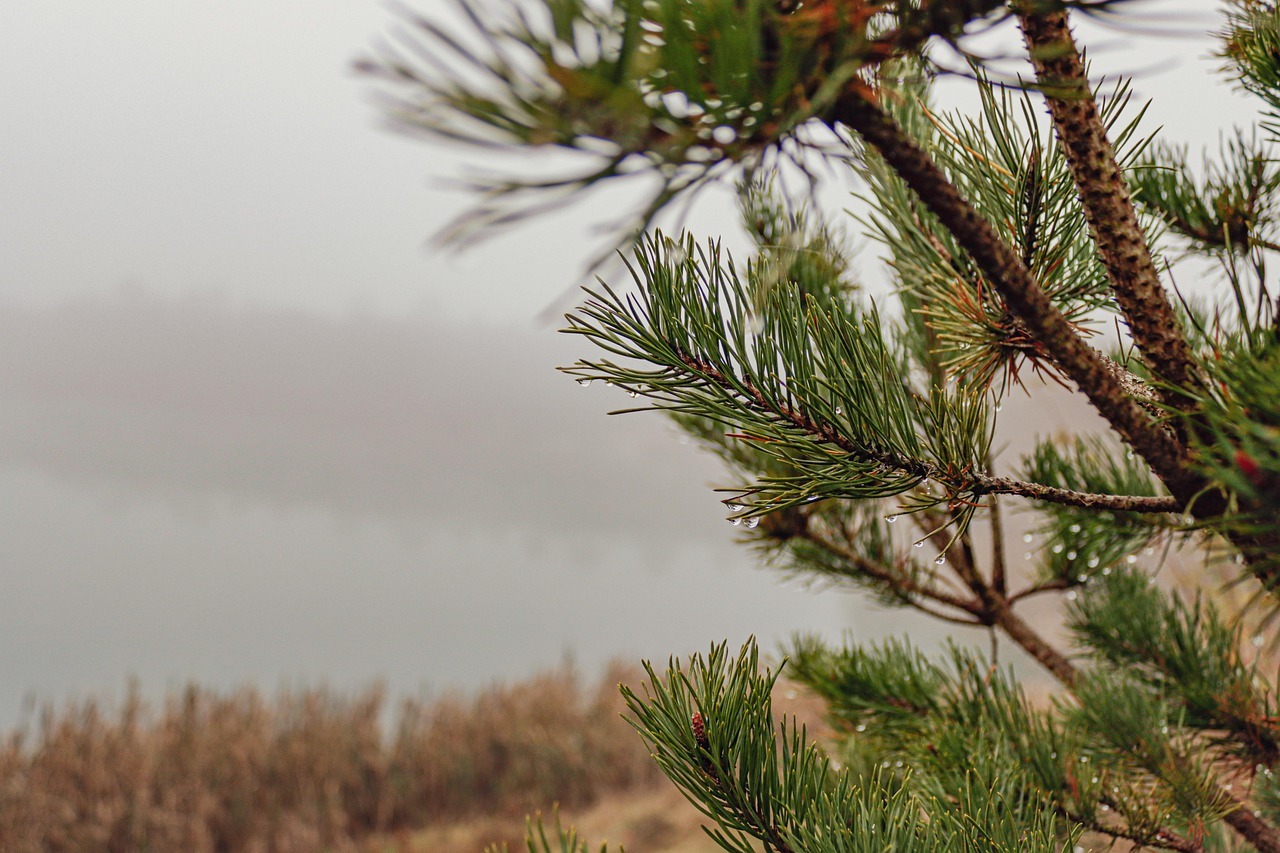
When a wildfire sweeps through British Columbia’s forests, one of the first trees to emerge from the ashes is the Lodgepole Pine (Pinus contorta). This fire-adapted species thrives in burned landscapes, using heat to open its cones and spread new seeds.
Beyond its ability to regenerate quickly, Lodgepole Pine is one of BC’s most commercially valuable trees, forming vast forests that provide wood for lumber, paper, and construction materials.
How to Recognize Lodgepole Pine
- Needles: Short and grow in pairs of two, a key way to distinguish it from other pines.
- Bark: Thin and reddish-brown, making it more susceptible to fire but allowing quick regeneration.
- Growth Form: In harsh conditions, it grows twisted and irregular, but in stable environments, it grows tall and straight.
A Tree Designed for Fire Survival
Unlike many trees that are destroyed by wildfires, Lodgepole Pine depends on fire to reproduce. Its cones remain closed for years, only opening when heat melts the resin holding them shut. This ensures that after a fire, new pine seedlings grow quickly, restoring the forest ecosystem.
Commercial Uses of Lodgepole Pine
This tree is a major part of BC’s forestry industry, used for:
- Lumber, particularly in home construction.
- Pulp and paper, as its fibers make high-quality wood pulp.
- Furniture and paneling, thanks to its straight grain.
Wildlife and Lodgepole Pine Forests
Lodgepole Pine forests provide habitat for:
- Squirrels and chipmunks, which collect its seeds.
- Woodpeckers, which nest in dead or dying trees.
- Moose and deer, which browse on young saplings in winter.
Fun Facts About Lodgepole Pine
- Some Lodgepole Pines remain stunted and twisted due to harsh growing conditions.
- The tree’s fire-dependent cones can remain closed for decades before opening.
- Lodgepole Pine was one of the first trees used in railway construction in Canada.
- It grows at higher elevations than most other pine species in BC.
- Some Lodgepole Pine forests in BC are over 100 years old, naturally regenerating after historical fires.