

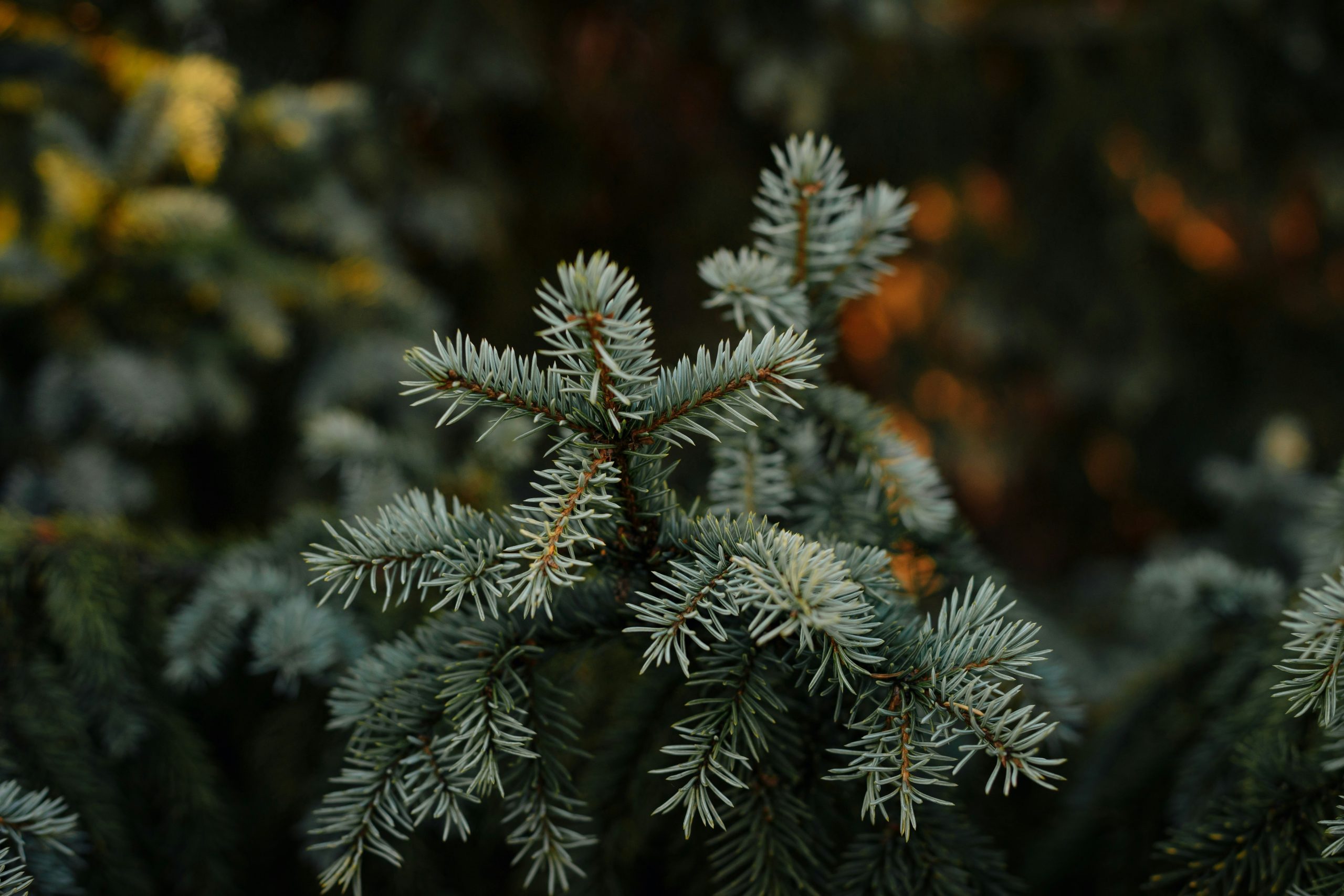
In the cold, mountainous regions of British Columbia, where few trees can survive, the Engelmann Spruce (Picea engelmannii) thrives. As one of BC’s highest-elevation conifers, this tree is perfectly adapted to snow, wind, and rocky terrain.
Not only does Engelmann Spruce play a key role in mountain ecosystems, but it is also a highly valued timber tree, used in everything from construction to musical instruments.
Identifying Engelmann Spruce
- Needles: Short, pointed, and bluish-green, spiraling around the branch.
- Bark: Thin, flaky, and reddish-brown to gray.
- Shape: Tall and narrow, with branches that droop under heavy snow.
How Engelmann Spruce Survives in Harsh Conditions
This tree is built to withstand some of BC’s harshest environments:
- It thrives at elevations above 1,800 meters (6,000 feet).
- Its flexible branches shed heavy snow, preventing breakage.
- Its shallow but widespread roots anchor it in rocky soil.
Economic Importance of Engelmann Spruce
Engelmann Spruce is highly valued in the forestry industry, used for:
- Lumber, as it is lightweight yet strong.
- Musical instruments, particularly violins, guitars, and piano soundboards.
- Construction materials, including framing and plywood.
Wildlife in Engelmann Spruce Forests
- Mountain goats and caribou take shelter in its forests.
- Owls and woodpeckers nest in hollow trunks.
- Bears use fallen trees as den sites.
Fun Facts About Engelmann Spruce
- Some Engelmann Spruce trees live more than 500 years!
- It grows in BC’s coldest forest regions, near the treeline.
- Its wood is so resonant that it is used for high-quality musical instruments.
- Indigenous groups used its resin for waterproofing and medicine.
Conclusion
Engelmann Spruce is a tree of strength and resilience, thriving where few other species can. Whether stabilizing mountain slopes, providing timber, or crafting fine musical instruments, this remarkable conifer is essential to BC’s forests and economy.