

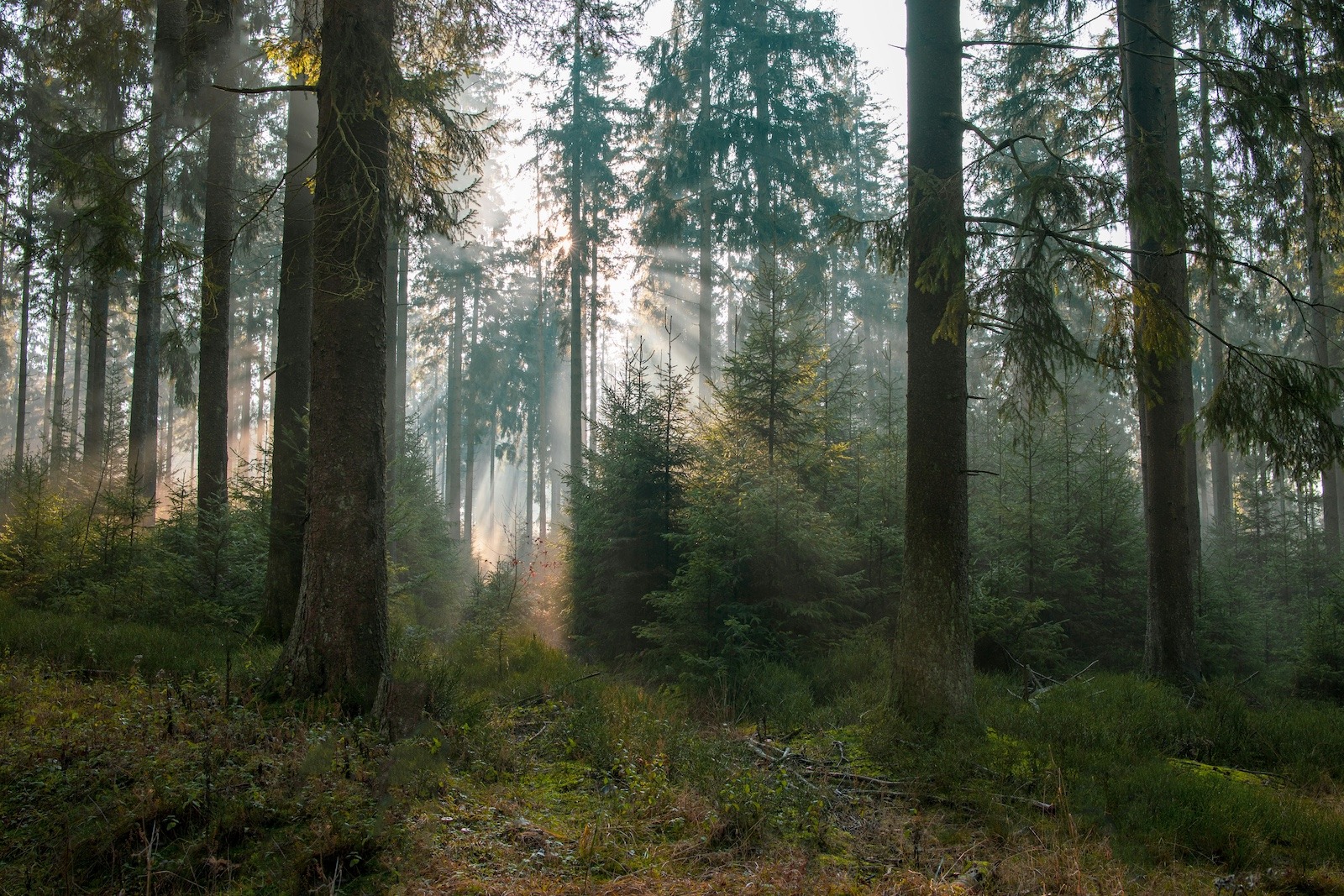
The Grand Fir (Abies grandis) is one of British Columbia’s most aromatic and fast-growing conifers, easily recognized by its lush green needles, towering height, and citrus-like scent. Native to BC’s coastal rainforests and moist interior valleys, this tree plays an essential role in both forestry and ecosystem health.
Identifying Grand Fir
- Needles: Soft, dark green, growing flat in two rows along the branch.
- Bark: Smooth and grayish-brown on young trees, becoming rougher with age.
- Size: Can grow over 75 meters (250 feet) tall, making it one of the tallest firs in North America.
Why Grand Fir Matters
- Prevents soil erosion in wet forest environments.
- Provides essential habitat for wildlife.
- Contributes to BC’s timber and paper industries.
Uses of Grand Fir
This tree is widely harvested for:
- Lumber and construction materials, as it has strong, straight wood.
- Pulpwood for paper, due to its soft, easy-to-process fibers.
- Christmas trees, thanks to its full, symmetrical branches and pleasant scent.
Wildlife and Grand Fir Forests
- Black bears and deer use its forests for cover.
- Birds like chickadees and warblers nest in its branches.
- Squirrels and rodents eat its seeds.
Fun Facts About Grand Fir
- Indigenous peoples boiled its bark for medicinal teas.
- Some Grand Firs live over 300 years.
- It grows best in moist, well-drained soils.
- The tree’s needles give off a sweet, citrus scent when crushed.
Conclusion
Grand Fir is a vital tree in BC’s forests, supporting wildlife, industry, and the environment. Whether towering in a rainforest or lighting up a home as a Christmas tree, this fragrant evergreen remains an essential part of British Columbia’s natural heritage.